A home’s exterior does much more than create curb appeal. It shields the structure from rain, wind, heat, pests, and other environmental conditions that can gradually cause damage. Strategic improvements can strengthen vulnerable areas, improve drainage, and help homeowners address problems before they spread into more expensive repairs.
The most effective approach is to consider how different parts of the property work together. A roof must direct water properly, walls need protection from moisture, and windows and other openings should be properly sealed. Even areas that are not directly exposed to the weather can reveal signs of exterior problems. By evaluating the condition of the home as a whole, homeowners can prioritize improvements based on their property’s age, condition, and specific vulnerabilities. This can make exterior upgrades more practical while helping protect the investment over the long term.
Keep Upper Areas Clean and Easy to Inspect
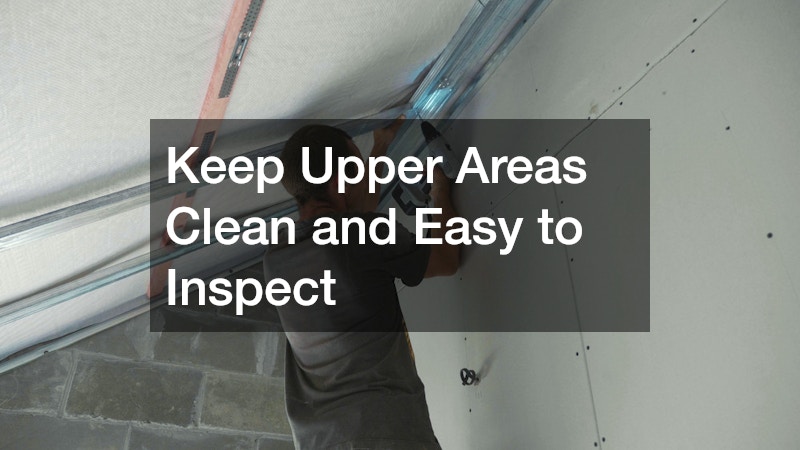
The condition of less frequently used areas of a home can provide important clues about exterior problems. Attics, for example, may reveal evidence of roof leaks, moisture intrusion, pest activity, inadequate ventilation, or damaged insulation. Keeping these spaces accessible and reasonably clean makes it easier to notice changes before they become major concerns.
For homeowners who cannot safely or effectively handle accumulated debris themselves, an attic cleaning service can help restore an orderly environment while providing an opportunity to identify potential problem areas. Cleaning should not simply involve removing debris. The condition of the surrounding materials should also be considered.
Look for:
- Water stains or discoloration
- Damp or deteriorated materials
- Pest droppings or nesting
- Damaged insulation
- Blocked ventilation openings
- Evidence of previous leaks
Pay particular attention to areas beneath roof penetrations, valleys, and locations where exterior components meet. These are common places for moisture problems to become apparent.
An attic inspection can also be useful after severe weather or a roofing project. Discovering a problem early may allow homeowners to address the exterior source before damage reaches finished areas of the home.
Strengthen the Structure Beneath Roofing Materials
The visible roofing surface is only one part of a complete roof system. Beneath it, decking provides a supporting surface for the roofing materials. When decking becomes weakened by prolonged moisture exposure, deterioration, or other damage, simply replacing the visible roof covering may not address the underlying issue.
Homeowners dealing with these concerns can discuss local roof decking services with qualified professionals who can assess the condition of the underlying materials. An inspection may determine whether deterioration is isolated to specific sections or affects a larger portion of the roof.
Potential warning signs include:
- Sagging areas
- Soft spots
- Water staining
- Long-term leak damage
- Deteriorated wood
- Damage discovered during roof work
Decking problems are particularly important to address when they are discovered during another roofing project. Installing new materials over compromised sections could leave an underlying weakness unresolved.
Homeowners should also consider the source of the damage. If water caused the deterioration, repairing the decking without correcting the leak may only provide a temporary solution. Coordinating structural repairs with improvements to the roof and drainage system can provide more comprehensive protection.
Select Roofing Materials for Lasting Performance
Choosing roofing materials involves more than selecting a color or style that complements the house. Homeowners should consider durability, maintenance, climate, roof design, and how different components work together.
For some properties, metal roofing supplies may be part of a roofing project designed around long-term durability and weather resistance. The quality and compatibility of associated materials matter because a roofing system includes more than the primary covering. Fasteners, flashing, underlayment, edging, and other components all contribute to how the finished system performs.
Before selecting materials, consider:
- Local weather conditions
- Roof pitch and design
- Expected maintenance
- Material compatibility
- Installation requirements
- Long-term performance
Homeowners should also consider the condition of the existing roof structure before choosing replacement materials. A durable material cannot compensate for underlying structural problems.
Professional assessment can help determine whether a particular roofing system is appropriate for the property. It can also identify details that may otherwise be overlooked, such as areas around vents, chimneys, skylights, and other roof penetrations.
The goal is to select an exterior system that works as a whole rather than focusing on one material in isolation.
Prevent Water From Reaching Vulnerable Areas

Water is one of the most persistent threats to a home’s exterior. Rain can enter through cracks, joints, damaged surfaces, poorly sealed openings, and areas where different materials meet. Once moisture reaches vulnerable building materials, it can contribute to deterioration that may eventually become visible indoors.
Homeowners dealing with recurring moisture concerns can explore local water proofing services to determine which areas require additional protection. The appropriate approach depends on where water is entering and how the structure is designed.
Potential problem areas include:
- Foundation walls
- Basement areas
- Exterior wall joints
- Window openings
- Roof transitions
- Poorly drained areas
Waterproofing should address the source rather than simply covering visible symptoms. For example, sealing one interior wall may not solve a problem caused by drainage directing water toward the foundation.
Homeowners should also consider whether existing exterior improvements work together. Roof drainage, grading, exterior surfaces, and foundation protection all influence where rainwater travels.
A coordinated approach can help reduce repeated moisture exposure and protect areas that are difficult or expensive to repair once significant damage has occurred.
Restore Interior Surfaces After Exterior Problems
Exterior problems can eventually affect finished areas inside the home. A persistent roof leak, damaged window, or moisture intrusion issue may leave walls and ceilings stained, weakened, or otherwise damaged. Interior restoration should generally follow efforts to identify and address the exterior source.
For larger property projects involving substantial wall damage or renovations, a commercial drywall installer may have experience handling extensive drywall work. Homeowners should select the appropriate professional based on the size and nature of the project.
Interior repairs may involve:
- Replacing damaged drywall
- Repairing affected ceiling areas
- Removing compromised materials
- Addressing visible staining
- Refinishing repaired surfaces
- Matching surrounding finishes
The timing of these repairs matters. Installing new drywall before an active moisture problem is resolved can result in repeated damage and additional work.
Homeowners should also look beyond the most obvious damaged section. Moisture can travel beyond the area where staining first becomes visible, so an assessment may be necessary to determine the full extent of the problem.
Once the underlying exterior issue has been corrected and affected materials have been properly addressed, interior repairs can restore the appearance and functionality of the space.
Address Roof Damage Before It Spreads
Roof damage can develop from age, severe weather, falling branches, improper installation, or repeated exposure to moisture. Even a relatively small weakness can allow water to reach materials beneath the roofing surface.
Roof repairs can address localized problems before they become more extensive. Homeowners should pay attention to visible warning signs rather than assuming a roof is performing properly simply because water has not yet entered the living space.
Common signs include:
- Missing roofing materials
- Damaged or lifted sections
- Cracked flashing
- Water stains
- Sagging areas
- Excessive granules in gutters
A professional evaluation can help determine whether a problem is isolated or indicates broader deterioration. This distinction matters because repeatedly repairing a roof with widespread damage may not be the most practical approach.
Homeowners should also inspect the roof after major storms, particularly if the property has experienced strong winds, hail, or falling debris. Damage is not always obvious from ground level.
Prompt attention can limit the amount of water and weather exposure reaching the underlying structure. It can also help prevent a localized issue from affecting insulation, ceilings, walls, or other parts of the home.
Improve How Rainwater Leaves the Roof
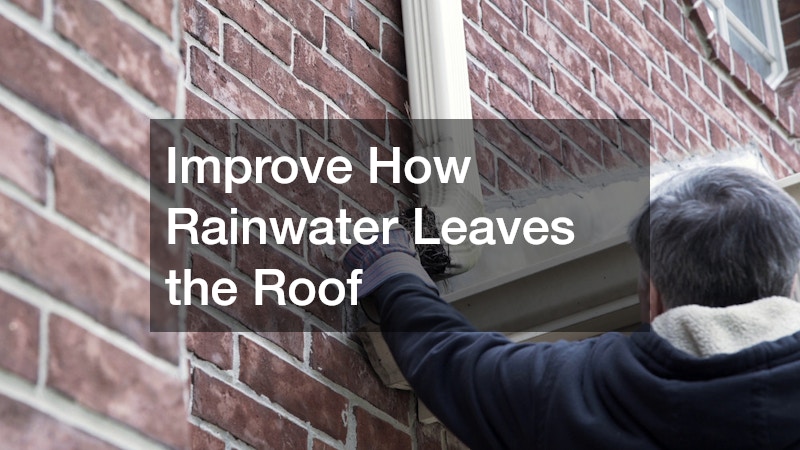
Effective drainage is essential to exterior protection. Gutters and downspouts direct water away from the roofline and foundation, but accumulated leaves, twigs, and other debris can interfere with that process.
Gutter guards can reduce the amount of debris entering a gutter system, potentially making routine maintenance easier. However, they should not be viewed as a substitute for inspection. Different designs perform differently depending on roof configuration, surrounding vegetation, and the types of debris present.
When evaluating the drainage system, check for:
- Overflowing gutters
- Sagging sections
- Blocked downspouts
- Loose connections
- Water pooling near the foundation
- Debris accumulation
Downspouts should direct water far enough away from vulnerable areas rather than releasing it immediately beside the foundation.
Homeowners should also watch how the system performs during heavy rain. Water overflowing from one section can indicate a blockage, inadequate capacity, poor slope, or another problem that may need attention.
Improving drainage can protect several exterior components simultaneously. Keeping water away from walls and foundations reduces unnecessary moisture exposure and complements improvements to roofing, siding, and waterproofing.
Protect Exterior Walls From Weather Exposure
Siding serves as a protective layer around much of a home’s exterior. Cracks, gaps, warped sections, and other deterioration can create opportunities for water to reach materials underneath the surface.
A siding contractor can evaluate the condition of existing siding and determine whether specific sections require repair or whether broader replacement would be appropriate. The right solution depends on the siding material, age, extent of damage, and condition of the underlying wall.
Watch for:
- Cracked panels
- Warped or loose sections
- Fading or deterioration
- Gaps around openings
- Water staining
- Damaged trim
Siding should also be evaluated around windows, doors, corners, and roof intersections. These transition points often require additional detailing to prevent water from entering behind the exterior surface.
When replacing siding, homeowners should consider maintenance requirements, durability, appearance, and compatibility with the existing structure. It can also be an opportunity to correct installation problems that contributed to previous moisture intrusion.
A properly maintained exterior wall system does more than improve appearance. It helps create another barrier between the home’s interior and changing outdoor conditions.
Address Weaknesses Around Windows
Windows can become vulnerable as seals, frames, flashing, and surrounding materials age. Problems may appear as drafts, condensation, water staining, damaged frames, or difficulty opening and closing the window.
Professional window services can help homeowners determine whether a window needs a component repair, improved sealing, or full replacement. The condition of the surrounding wall should also be considered rather than focusing exclusively on the glass and frame.
Homeowners should look for:
- Drafts around frames
- Water intrusion
- Failed seals
- Deteriorated trim
- Difficult operation
- Visible frame damage
Water entering around a window can affect the wall materials surrounding it, potentially creating a larger repair issue. Proper flashing and exterior sealing are therefore important parts of a complete installation.
Older windows may also contribute to comfort problems when seals have deteriorated or frames no longer close properly. Replacing them may address both functional and weather-resistance concerns, depending on the condition of the existing units.
When evaluating windows, homeowners should consider the entire opening rather than treating the window as an isolated component. The surrounding exterior details play an important role in keeping moisture out.
Resolve Moisture Problems Before They Return
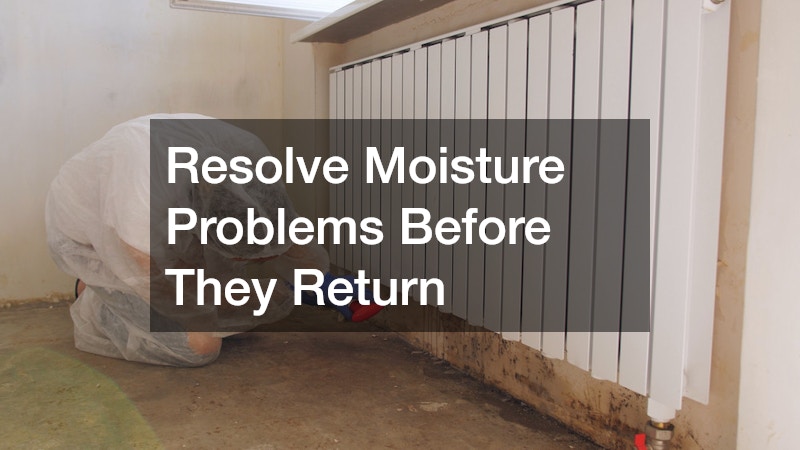
Moisture that repeatedly enters a home can damage building materials and create conditions that support unwanted growth. Musty odors, recurring discoloration, condensation, and visible growth can all indicate that a moisture problem deserves further investigation.
Mold removal may be necessary when moisture-related growth has developed, but removing visible material alone does not solve the underlying problem. Homeowners should determine why the area became damp in the first place.
Investigate possible sources such as:
- Roof leaks
- Gutter overflow
- Damaged siding
- Window leaks
- Foundation moisture
- Poor ventilation
The source may be located some distance from where the problem becomes visible. Water can travel through building materials before producing staining or other noticeable signs.
Addressing the moisture source should therefore be part of the overall response. Otherwise, newly cleaned or repaired areas may develop problems again.
By connecting moisture control with exterior maintenance, homeowners can address both the visible symptoms and the conditions that allowed the problem to develop.
Exterior protection works best when the home’s major systems are considered together. Roofing, drainage, siding, windows, structural components, and moisture control all influence how well a property handles everyday weather exposure. Homeowners can prioritize upgrades by looking for visible deterioration, recurring leaks, drainage problems, and aging materials.
Addressing these weaknesses early can reduce the chance that a relatively small exterior issue will develop into extensive interior damage. Regular inspections also make it easier to identify changing conditions and plan improvements based on the home’s actual needs. A coordinated approach to exterior upgrades can improve durability while helping homeowners maintain a safer, more comfortable, and better-protected property over time.