
Water is the lifeblood of a modern household, running silently through your walls to provide comfort, cleanliness, and hydration. Yet, this vital resource also possesses an incredible capacity for destruction. When water escapes its intended channels, deteriorates infrastructure from the inside out, or pools around your foundation, it shifts from a daily necessity into a silent, expensive nightmare. Structural rot, ruined foundations, and compromised indoor air quality are rarely the result of sudden, catastrophic storms; more often, they are the slow consequence of unaddressed leaks, poor drainage, and neglected appliances.
Maintaining a secure property requires looking at your house not just as a collection of rooms, but as a fully integrated ecosystem governed by water. To prevent water from degrading your investment, you must adopt a comprehensive strategy. This means managing water at every single stage of its interaction with your property: capturing and shedding heavy rainfall from above, purifying and regulating delivery through your pipes, maintaining the climate systems that manage internal humidity, and safely processing waste out of the building.
By embracing a proactive and preventative approach towards your home’s water-related infrastructure, you can extricate yourself from an endless cycle of reacting to crises as they occur. Such strategies enable you to anticipate potential problems before they escalate. Instead of being caught off guard by sagging ceilings, a flooded basement, or the sudden appearance of mold, performing routine inspections and implementing strategic upgrades can keep your home consistently dry, secure, and efficient.
Fortifying the First Line of Defense Against Heavy Rains
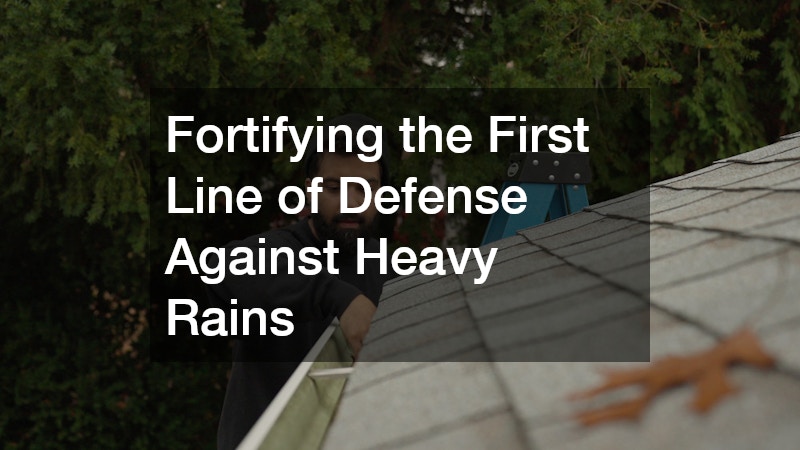
Your shingles, underlayment, and flashing form a shield that bears the brunt of every weather event. Keeping this shield intact is essential for stopping moisture from rotting wood decks and ruining attic insulation.
- Examine Flashings and Valleys: Roof valleys and the metal flashing around chimneys and vents are notorious weak points. Check these areas twice a year for cracking caulk, rusted metal, or pulling nails.
- Spot Shingle Deterioration: Look from the ground or a ladder for bald spots where protective granules have worn away, as well as curled, buckled, or entirely missing shingles.
- Know When to Call Professionals: While homeowners can handle basic visual ground checks, structural inspections or replacing storm-damaged sections are tasks best left to licensed roofing companies that have the safety gear and expertise to guarantee a watertight seal.
Upgrading Your Gutter System to Prevent Foundation Erosion
Once water sheds off your shingles, it must be caught immediately. Standard sectional gutters bought at hardware stores are prone to leaking at their seams over time due to thermal expansion and debris weight, allowing water to pour straight down onto your landscaping and foundation.
- Eliminate Seam Failures: Upgrading to seamless troughs prevents the common leaks associated with pieced-together tracks. Enlisting the help of specialized seamless gutter companies ensures that the metal channels are custom-fabricated on-site to perfectly match the exact dimensions of your roofline line, eliminating joints entirely.
- Establish Proper Pitch: Gutters must slope subtly toward downspouts at a rate of roughly one-quarter inch for every ten feet. If the slope is too flat, water pools and creates a breeding ground for mosquitoes; if it is too steep, water overflows the ends during severe downpours.
- Mitigate Leaf Blockages: Constant clogging forces water backward up under your shingles or over the front edge. Investing in high-quality gutter guard installations keeps leaves, pine needles, and twigs out of the troughs completely, ensuring that rainwater enjoys an unobstructed path directly to the downspouts even during peak autumn foliage drops.
- Extend Your Downspouts: Never let downspouts dump water directly at the base of your house. Attach solid or flexible extensions to carry the exit water at least six to ten feet away from the foundation wall, preferably directing it toward a rain garden or a naturally sloping area of your lawn.
Tackling Slow Drains Before Disaster Strikes

Drain lines rely on simple gravity and clear pathways to whisk wastewater away from your living spaces. When debris accumulates inside these pipes, it creates a ticking clock that can result in raw sewage backing up into your sinks, showers, or basement floor drains.
- Identify Early Warning Indicators: Do not wait for a drain to stop working entirely. Pay attention to sluggish water drainage, gurgling noises coming from your toilet bowls when a washing machine drains, or persistent foul odors wafting from kitchen basins.
- Avoid Chemical Cleaners: Store-bought chemical pour-in liquids are highly caustic. They generate intense heat inside your pipes that can soften PVC or corrode older cast iron, creating micro-leaks hidden deep inside your walls.
- Seek Comprehensive Line Clearing: For stubborn blocks, grease buildup, or invasive tree roots, hiring a certified drain cleaning company is the safest path forward. Professionals utilize specialized tools like motorized mechanical snakes or high-pressure hydro-jetting equipment to completely scrub the interior walls of your pipes clean without causing structural damage to the plumbing network.
Elevating Everyday Water Quality and Hardware Lifespans
The municipal or well water entering your property contains dissolved minerals, gases, and particulates. Hard water—water high in dissolved calcium and magnesium—acts like a slow poison for your plumbing system, leaving behind rock-hard scale deposits that constrict water flow and ruin delicate valves.
- Recognize Hard Water Damage: Look for white, chalky crust on your showerheads, spots on your freshly washed dishes, dry skin after bathing, and a noticeable drop in overall water pressure across all fixtures.
- Protect Your Pipes and Appliances: Installing a centralized filtration water treatment setup at your main water entry point removes iron, sediment, chlorine, and hardness minerals before they ever reach your internal plumbing.
- Reduce Scale Accumulation: By neutralizing hard minerals through specialized treatment systems, you prevent scale from narrowing the inside diameter of your copper or PEX pipes. This maintains balanced water pressure throughout the house and protects internal rubber seals in appliances like dishwashers and washing machines from degrading prematurely.
Extending Hot Water Efficiency and Stopping Catastrophic Tank Failures
Standard tank water heaters are constantly subjected to thermal stress and mineral settlement. If left unmaintained, a water heater will lose its heating efficiency, drive up your utility bills, and eventually suffer a catastrophic bottom-panel breach that dumps dozens of gallons of hot water directly onto your floor.
- Perform Annual Sediment Flushes: Over time, minerals settle out of heated water and form a thick layer of sludge at the bottom of the tank. Hook up a standard garden hose to the drain valve once a year, open the tap, and flush the tank until the exiting water runs completely clear.
- Test the Temperature and Pressure Valve: The T&P valve on the side of the tank is a critical safety mechanism designed to prevent explosions if pressure spikes. Lift the test lever briefly to ensure water flows out and stops cleanly when released.
- Address Early Malfunctions Prosperously: If you hear deep popping or rumbling noises coming from your utility closet, spot rust-colored warm water, or notice minor dripping around base connections, it is time to secure water heater repairs from a licensed plumber. Catching these mechanical failures early allows for component replacement, such as a worn-out sacrificial anode rod, before the entire tank structure fails completely.
Managing Condensation and Humidity in Climate Control Systems

Your heating and air conditioning units do far more than just modify air temperature; they act as massive dehumidifiers. As warm, humid indoor air passes over a freezing evaporator coil, moisture condenses out of the air and must be collected and drained safely away from your living space.
- Keep Condensate Lines Clear:The moisture pulled from your indoor air falls into a small plastic collector pan and flows out through a narrow PVC drain line. Algae and mold love to grow inside these damp tubes, creating thick plugs that cause the drain pan to overflow directly onto your ceilings or floors.
- Flush the Drain Lines Regularly: Pour a cup of plain white vinegar down your air conditioner’s condensate drain access port every few months during the cooling season to kill off algae growth and keep the pathway clear.
- Invest in Preventative Appraisals: Scheduling routine professional hvac inspections ensures that your technician checks the entire moisture-removal system, tests safety float switches that shut down the unit if a backup occurs, and monitors overall humidity extraction rates.
- Plan Upgrades Responsibly: If your cooling setup is more than a decade old, constantly leaks refrigerant, or exhibits cracked, rusting drain pans that cannot be easily replaced, upgrading to a modern system via a professional ac install will resolve ongoing water management issues while dropping your monthly energy costs significantly.
Safeguarding Underground Waste Systems
For households not connected to a municipal sewer grid, an underground septic tank and drainfield handle all domestic blackwater and graywater. Because this system is buried completely out of sight, many property owners neglect basic maintenance until waste starts pushing backward into household plumbing fixtures.
- Understand System Mechanics: Waste flows into a concrete or fiberglass tank where solids settle to the bottom as sludge, while liquids pass forward into a network of perforated underground pipes known as the drainfield. If solids flow into the drainfield, they choke the soil and ruin the system entirely.
- Keep Track of Warning Signs: Slow-flushing toilets, strange bubbling sounds in your pipes, patches of incredibly lush, bright green grass over your yard during dry summer months, or soggy spots accompanied by a sulfurous smell indicate a system under extreme duress.
- Adhere to a Pumping Schedule: Depending on the physical size of your home and the number of residents, scheduling a professional septic pumping every three to five years is non-negotiable. This process removes the accumulated solid sludge layer completely, preventing it from overflowing into and destroying your expensive underground soil absorption area.
- Practice Good Drain Habits: Avoid washing coffee grounds, fats, oils, heavy chemical solvents, or non-biodegradable wipes down your drains. These items disrupt the natural bacterial balance inside the tank that breaks down organic matter, leading to rapid system clogs.
Eradicating Moisture Aftermath and Toxic Growth

Despite your best efforts, extreme weather anomalies or sudden pipe bursts can still introduce unwanted water into your home structure. When an active leak or flood occurs, you enter a frantic race against the clock to prevent structural rot and hazardous biological growth.
- Act Within the First 48 Hours: Mold spores exist naturally in the air and require only moisture, a food source like drywall or wood, and a warm temperature to germinate. If structural materials remain damp for longer than two days, mold colonies will establish themselves and begin spreading.
- Deploy Heavy Extraction Equipment: Do not rely on household towels or small floor fans to cure a major water leak. Use heavy-duty wet-dry vacuums to pull standing liquid out of carpets, pad layers, and subfloors as quickly as possible.
- Enlist Professional Restoration Specialists: If water has saturated deep behind insulated walls, under hardwood floor planks, or throughout finished basements, hiring a certified mold remediation company is essential. These specialists possess industrial air movers, heavy-duty commercial dehumidifiers, and specialized negative-air containment chambers necessary to dry your home’s structural framing completely while safely capturing airborne spores before they compromise your family’s respiratory health.
Protecting your home from water damage is not an achievement you can check off a list once and forget about; it is a continuous process of mindful observation, timely maintenance, and strategic infrastructure investment. From checking your roof shingles after a severe storm to monitoring the behavior of your household drains and water-dependent appliances, every small action you take serves as a shield protecting your greatest financial asset.
When you break your home down into distinct zones—the roof watershed, the internal supply lines, the climate appliances, and the waste processing lines—the task of managing water becomes far less overwhelming. Simple actions like clearing out debris, monitoring appliance performance, and knowing when to hand a complex job over to certified specialists will collectively save you from the stress, disruption, and massive financial burdens of emergency home restoration. Take the time to evaluate your home’s water health today, establish a reliable seasonal checklist, and enjoy the true peace of mind that comes with a safe, dry, and structurally sound living environment.